Corporate Translation Strategy for Global Expansion
A rushed translation can slow a market launch more than no translation at all. When your company enters a new country, every word can affect trust, sales, and compliance.
Read More


A rushed translation can slow a market launch more than no translation at all. When your company enters a new country, every word can affect trust, sales, and compliance.
Read More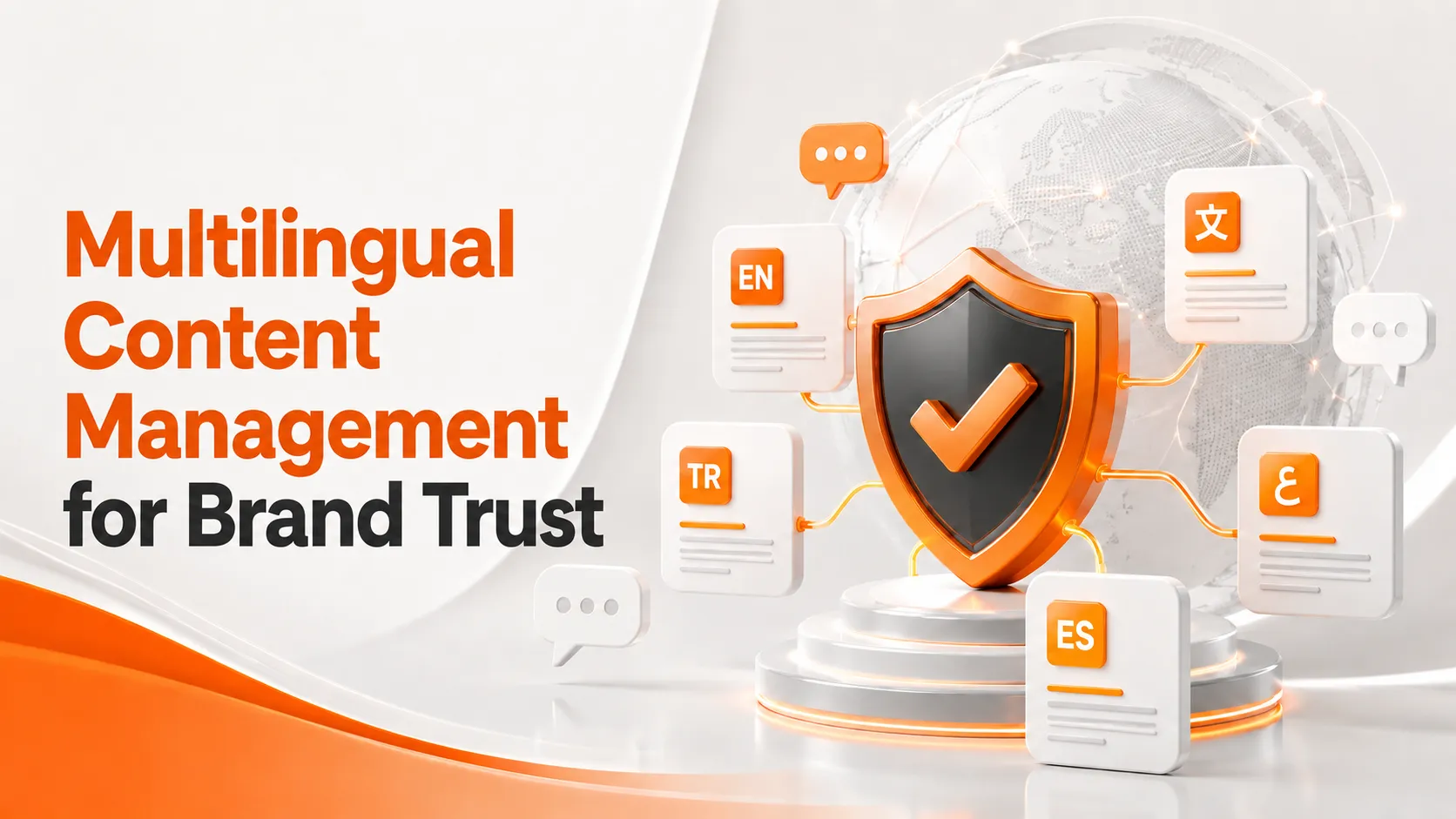
A rushed translation can slow a market launch more than no translation at all. When your company enters a new country, every word can affect trust, sales, and compliance.
Read More
A rushed translation can slow a market launch more than no translation at all. When your company enters a new country, every word can affect trust, sales, and compliance.
Read More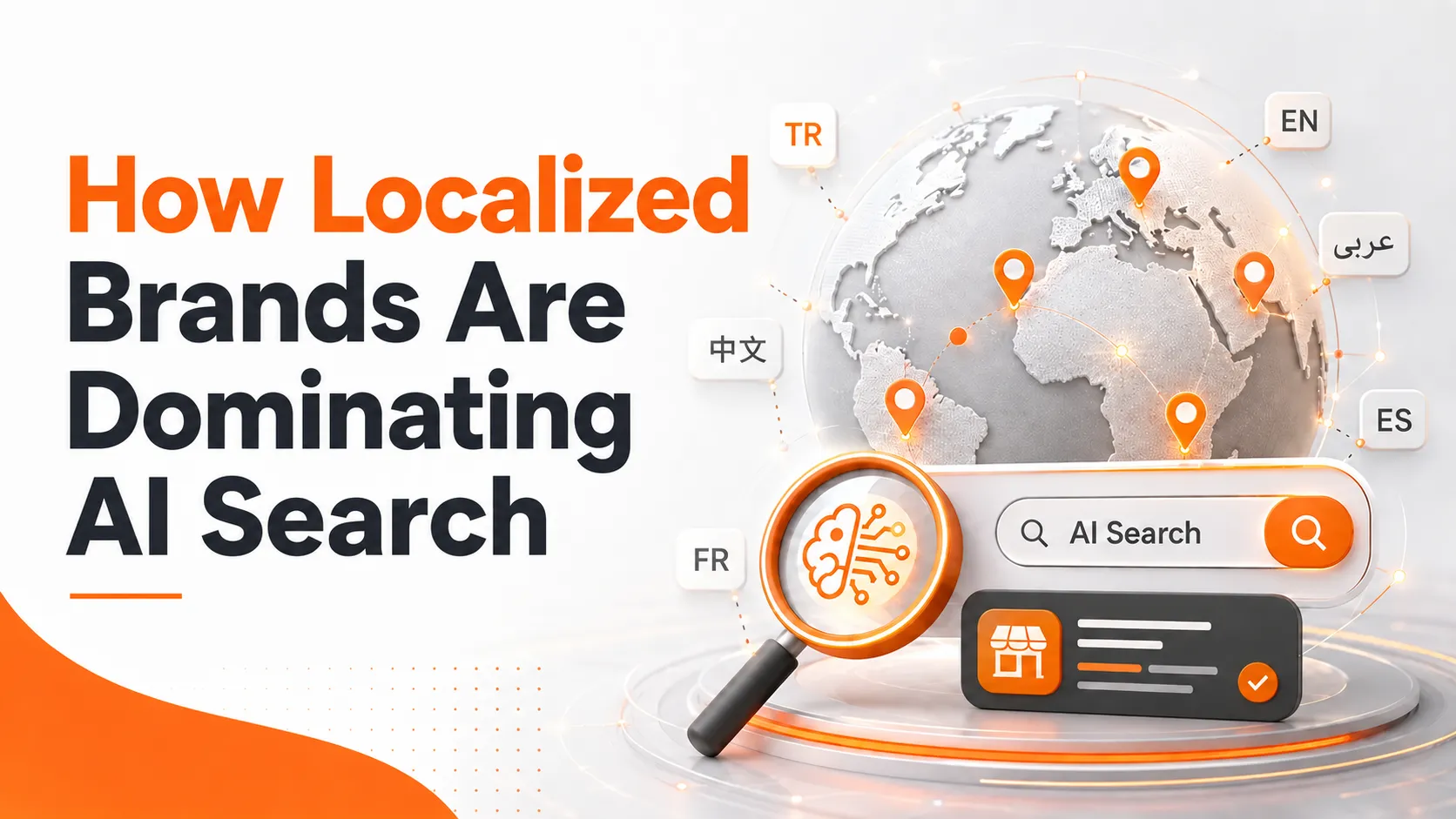
AI is transforming how people discover information and businesses, shifting online visibility from traditional SEO-driven search results to AI-generated answers and recommendations.
Read More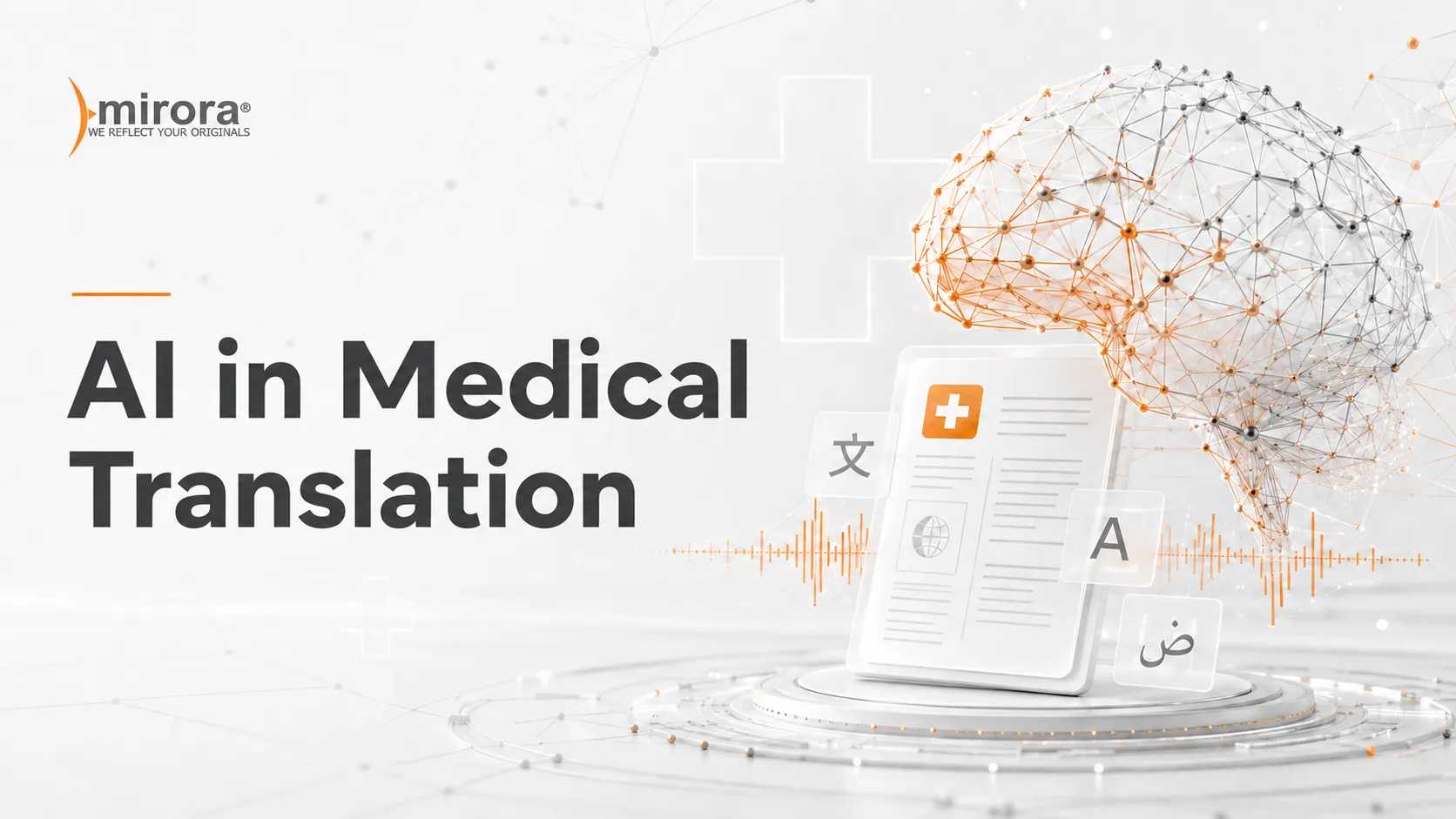
AI is transforming medical translation by improving speed, accessibility, and consistency in healthcare communication, while challenges related to accuracy, cultural understanding, privacy, and human expertise highlight the need for a responsible human-AI collaboration model.
Read More
Why do some multilingual projects move on schedule whilst others end in rushed edits and missed approvals? The difference is rarely language skill alone.
Read More
Why do some multilingual projects move on schedule whilst others end in rushed edits and missed approvals? The difference is rarely language skill alone.
Read More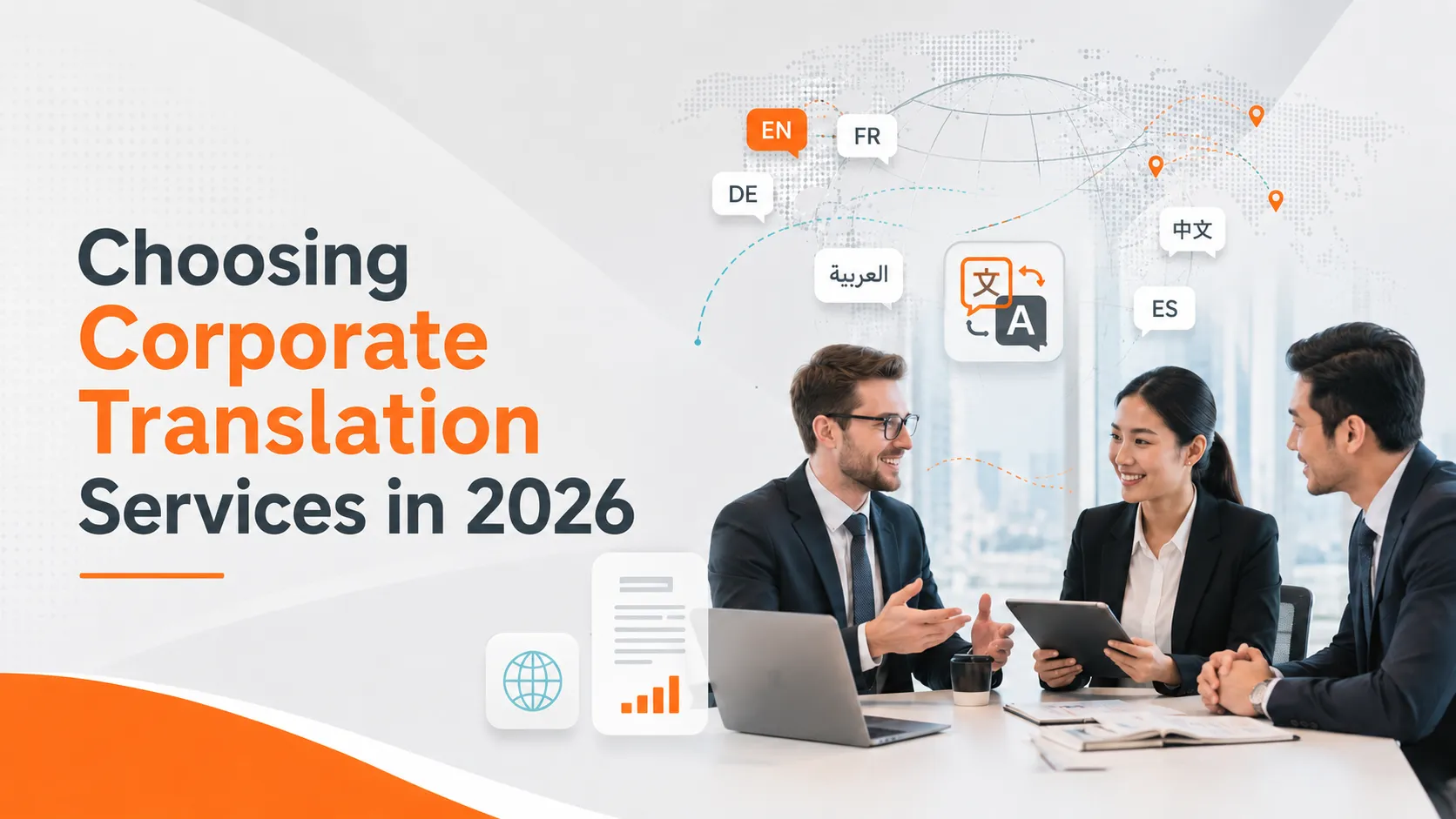
Yanlış çevrilen bir sözleşme, bir anlaşmayı askıya alabilir. Zayıf bir ürün sayfası da bir lansmanı aynı hızla yavaşlatabilir. Uluslararası şirketler...
Read More
Translation in life sciences is a critical component of ensuring patient safety, regulatory compliance, and scientific integrity.
Read More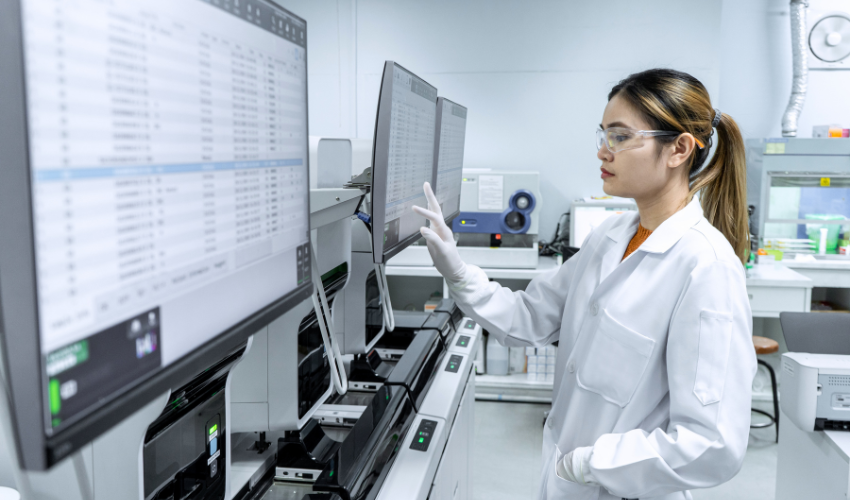
The life sciences industry is evolving at an unprecedented pace, driven by innovation in pharmaceuticals, biotechnology, and medical devices. As this growth accelerates, so does the volume and complexity of multilingual documentation.
Read MorePlease provide your contact information so we can get back to you.
 Türkçe Türkçe
  English